Teen Driving Lessons for Better Control
Getting behind the wheel for the first time can be exciting. It can also feel a little overwhelming. There are mirrors to check, pedals to manage, signs to watch, and other cars moving around you. Teen Driving Lessons give new drivers a chance to learn these skills in a controlled setting before they have to handle everything alone.
Good control does not happen after one or two drives. It comes from practice. A teen needs to become comfortable with steering, braking, acceleration, lane changes, parking, and traffic checks.
The goal is bigger than passing the driving test. A good learner should know how to handle everyday roads, busy intersections, parking lots, rain, and unexpected moves from other drivers.
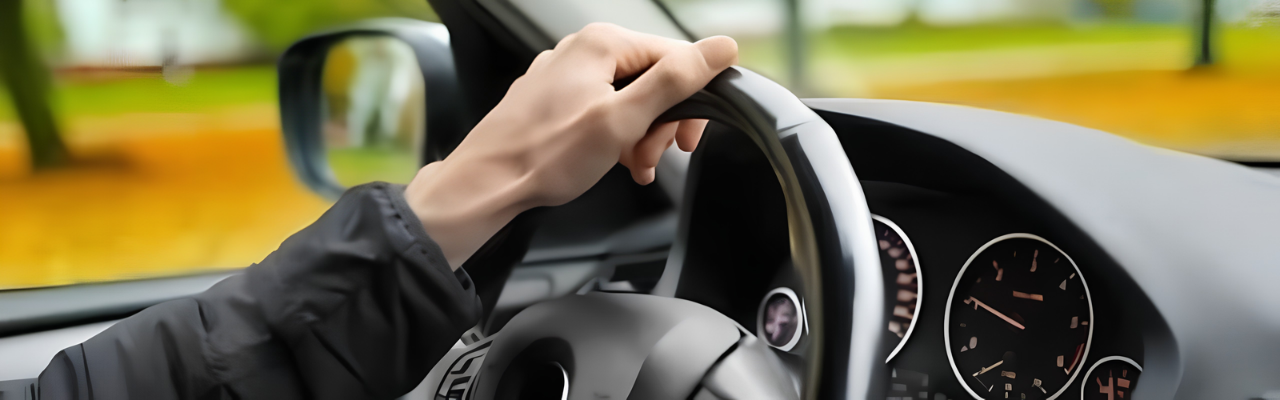
How Teen Driving Lessons Improve Car Control?
Many new drivers understand the basic traffic rules but struggle to use them while driving. That is normal. It takes time to make the right actions feel natural.
Teen Driving Lessons help teens work through those early mistakes. An instructor can notice problems with steering, speed, braking, or lane position and correct them before they become habits.
For example, a teen may press the brake too hard when approaching a stop sign. With practice, they learn to slow down earlier and apply the brake smoothly.
The same idea applies to acceleration. Pressing the gas too quickly can make the car jump forward. Gentle acceleration gives the driver more control.
Some basic skills every new driver should practice include:
- Keeping a steady position in the lane
- Steering smoothly through turns
- Braking with control
- Accelerating gradually
- Checking mirrors regularly
- Using turn signals
- Maintaining a safe speed
- Keeping enough space from other cars
The vehicle can also affect how a teen feels behind the wheel. A Toyota Corolla, Honda Civic, or Hyundai Elantra may have different steering response, visibility, pedal feel, and vehicle size.
A learner who understands these differences can adjust more easily when driving another car.
Teen Driving Lessons for Better Steering and Turning
Turning is one of those skills that looks easy from the passenger seat. For a new driver, there is more to it.
The teen needs to judge the turn, reduce speed, check traffic, signal, and guide the car into the correct lane. All of this needs to happen without rushing.
Teen Driving Lessons give students time to repeat these movements until they become familiar. Practicing slowly at first makes it easier to understand how the car responds.
One common mistake is turning the wheel too soon. The car may get too close to the curb or move toward another lane. Turning too late can make the vehicle swing wider than expected.
Speed plays a big part too. A teen should slow down before a sharp turn instead of entering it quickly and trying to brake halfway through.
Parking is another great way to improve steering control. Teens should practice different parking situations, not just the easiest one.
Useful skills include:
- Straight parking
- Reverse parking
- Parallel parking
- Backing into a space
- Turning in narrow areas
- Checking blind spots
- Keeping the car between parking lines
Modern cars often have rear cameras and parking sensors. These features are useful, but they should not become a substitute for looking around.
A driver still needs to use mirrors and check blind spots. Technology can provide extra information, but the driver remains responsible for the car.
At Asian Driving School Plano, practical road practice can help learners understand how steering skills work outside a quiet practice area. A teen may know how to make a turn, but real traffic adds more decisions.
Simple Habits That Help Teens Drive Safely
Safe driving is not just about controlling the steering wheel. Attention matters just as much.
A teen who checks a phone at a red light may think it is harmless. But traffic can start moving quickly, or a pedestrian may step into the road. It is better to keep the phone out of reach before the car moves.
Good habits should start early because they become easier to follow with time.
Some habits worth building include:
- Buckle the seat belt before moving.
- Put the phone away.
- Check mirrors before changing lanes.
- Signal before turning.
- Leave a safe gap behind other vehicles.
- Follow posted speed limits.
- Watch for pedestrians and cyclists.
- Stay alert near intersections.
- Avoid sudden braking.
- Slow down when conditions change.
The way a teen sits in the car also matters. The seat should allow easy access to the pedals without stretching. The steering wheel should be comfortable to reach.
The headrest should be set at the right height as well.
Then there are small interior details that often get overlooked. Floor mats should fit properly and stay in place. A loose mat can slide toward the pedals.
Bags, bottles, and other items should also stay away from the driver’s footwell. Keeping the area clear makes it easier to use the pedals without distractions.
These are simple checks, but they help create a better driving environment.
Handling Traffic and Unexpected Situations
A quiet neighborhood road can make a new driver feel confident. Busy traffic is another story.
Once several cars, signals, pedestrians, and lane markings appear at the same time, a teen may feel unsure about what to watch first. That is why practice should build up gradually.
Start with roads that have less traffic. Once the basic skills feel comfortable, move to busier streets and more complex intersections.
Intersections deserve extra care. A teen should check the signal, look for pedestrians, watch nearby vehicles, and make sure the path is clear before moving.
It also helps to expect mistakes from other drivers. Someone may change lanes without enough warning or stop suddenly.
Leaving space gives a teen more time to react.
Weather can make things harder too. Rain can reduce visibility and tire grip. At night, pedestrians and road markings may be harder to see.
The answer is not to panic. Slow down, increase following distance, and pay closer attention to what is happening around the car.
Asian Driving School Plano can help learners practice skills in different road situations. This helps teens understand that the same basic rule may require different actions depending on traffic and road conditions.
A Practical Practice Plan for Young Drivers
Good practice has a purpose. Instead of driving around without a plan, focus on a few skills during each session.
Start with the basics. Let the teen practice starting, stopping, steering, lane position, and speed control.
Once those skills improve, add turns and intersections. Then work on lane changes and parking.
A simple practice routine can look like this:
Basic control:
Practice smooth starts, stops, steering, and speed changes.
Local roads:
Work on turns, signals, mirror checks, lane position, and intersections.
Parking:
Practice reverse parking, parallel parking, and backing into spaces.
Busy roads:
Introduce heavier traffic, multiple lanes, and more complicated intersections.
Different conditions:
When it is safe, add practice in light rain or during nighttime driving.
Do not rush through the stages. If a teen still struggles with lane changes, keep working on them before adding more difficult situations.
Parents can make a big difference during practice. Keep directions short and give them early.
For example, saying “prepare to turn right at the next intersection” gives the teen time to check mirrors, signal, slow down, and position the car.
A calm tone also helps. Constantly pointing out every tiny mistake can make a learner nervous. Correct the important issue, explain what to do next, and let the teen try again.
Why Do Teen Driving Lessons Build Long-Term Skills?
A driving test is only one part of learning to drive. Once a teen gets a license, there is no instructor sitting beside them on every trip.
Teen Driving Lessons can help prepare young drivers for that responsibility. They give students time to build habits that apply to daily driving.
Confidence should come from knowing what to do. It should not come from taking unnecessary risks.
A confident driver still checks mirrors. They still leave space between vehicles. They slow down when visibility drops and stay alert when traffic becomes heavy.
Many newer vehicles also include features such as blind-spot alerts, rear cameras, parking sensors, lane warnings, and automatic emergency braking.
These features can help, but teens should know their limits. A warning system may alert the driver to a problem, but it cannot replace careful observation.
At Asian Driving School Plano, practical training can help teens connect driving rules with the situations they will face after getting their license.
Over time, repeated practice makes basic actions easier. The driver no longer has to think about every small movement. More attention can go toward traffic, pedestrians, road signs, and other vehicles.
That is where real confidence starts.
Conclusion
Better control comes from practice, patience, and good habits. Teens need to learn how to steer smoothly, brake early, maintain lane position, park safely, check mirrors, and keep enough space from other vehicles.
Teen Driving Lessons provide a structured way to build these skills and prepare for everyday driving.
The focus should not be limited to passing a test. A young driver needs to know what to do when traffic gets busy, weather changes, or another driver makes an unexpected move.
Regular practice helps turn basic skills into natural habits. It also teaches teens when to slow down, when to wait, and when they need more space.
Good driving is not about being the fastest person on the road. It is about staying aware, keeping control, and making smart choices throughout the trip.
For more updates follow us on Facebook.