Driving School Near 75074 for Teens in Plano
Choosing a driving school for a teenager is an important decision. Parents want their teens to develop safe driving habits, understand traffic situations, and gain confidence behind the wheel. Teen drivers need more than basic steering skills. They need patience, awareness, and the ability to make responsible decisions under pressure.
If you are searching for a Driving school near 75074, you may be looking for professional teen driving lessons in Plano, Texas, that provide practical instruction and dependable guidance. The right training experience can help teenagers become more comfortable with everyday driving situations while preparing them for future road tests.
At Asian Driving School Plano, teen drivers can explore professional driving instruction, behind-the-wheel training, and road test preparation designed to support their learning journey. Whether your teenager is nervous about driving for the first time or needs additional practice before a road test, structured lessons can make the learning process easier to manage.
This guide explains how parents can choose a suitable driving school, what teens should learn during training, which mistakes beginners commonly make, and how families can support safe driving practice.
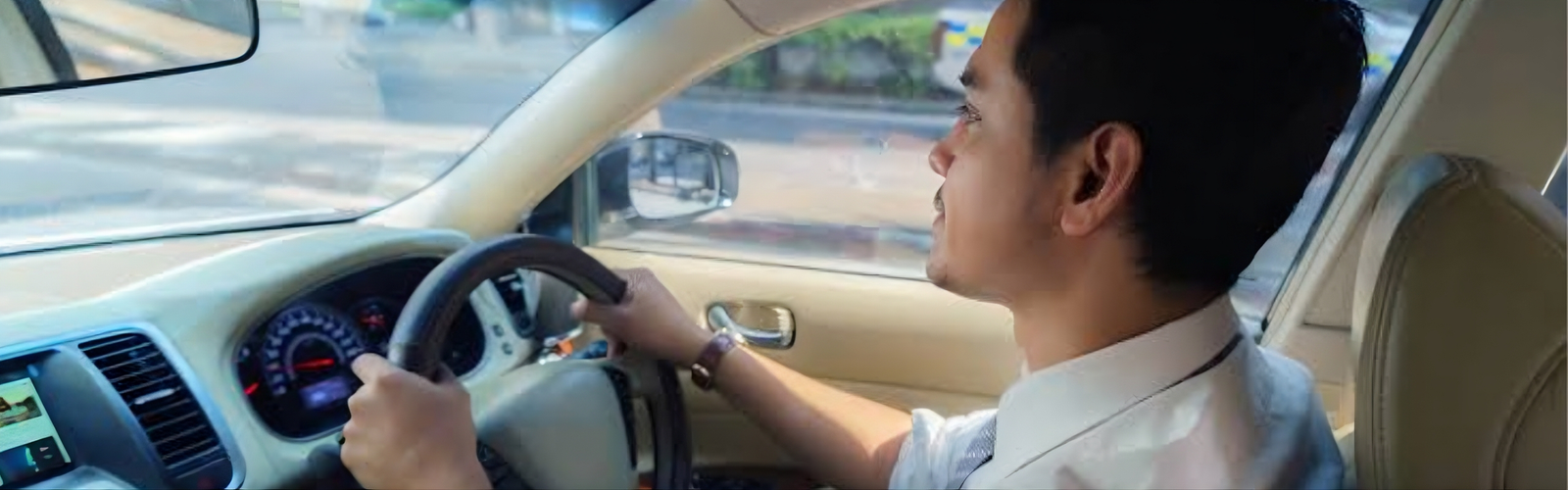
Why Choose a Driving School Near 75074 for Teens?
Teenagers often begin driving with limited experience around traffic, intersections, parking areas, and busy roads. Even students who understand traffic signs may struggle when they need to make several decisions at once.
Professional driving instruction helps teenagers connect classroom knowledge with practical driving behavior.
A qualified instructor can demonstrate important skills, observe student mistakes, and provide feedback that parents may find difficult to deliver during family practice sessions.
Benefits of Professional Teen Driving Lessons
A structured driving program can help teens develop:
- Better steering control and vehicle positioning.
- Proper mirror checking and observation habits.
- Smooth acceleration and controlled braking.
- Safe lane changes and turning techniques.
- Awareness of pedestrians, cyclists, and surrounding vehicles.
- Confidence when driving through unfamiliar areas.
- Better preparation for practical driving assessments.
Professional lessons also give students opportunities to practice in a controlled learning environment before handling more demanding traffic situations.
Why Early Training Matters?
Some parents wait until a teenager is close to a road test before arranging professional instruction. However, learning basic habits earlier can make later practice more productive.
For example, a student who learns consistent mirror checks during early lessons is more likely to remember them when changing lanes or approaching intersections.
The goal is not to rush a teenager into driving independently. The goal is to develop skills gradually, allowing the student to improve at a comfortable pace.
How to Find the Best Driving School Near 75074?
75074 is associated with the Plano area, including neighborhoods where families may need convenient access to driving instruction.
When comparing driving schools, parents should look beyond advertisements or attractive introductory offers. The quality of instruction, communication, learning structure, and student comfort matter much more.
1. Check the School’s Training Options
Before enrolling your teenager, ask which programs are available.
A driving school may offer different services depending on the student’s experience and training needs.
Training Option | Main Learning Goal |
Teen driver education | Understanding driving fundamentals and responsible behavior |
Behind-the-wheel lessons | Practicing vehicle control and traffic awareness |
Beginner driving lessons | Building confidence with basic driving skills |
Road test preparation | Improving practical driving performance |
Refresher lessons | Strengthening weak driving habits |
Ask whether the school can recommend a suitable training plan based on your teenager’s current abilities.
2. Ask About Instructor Experience
A good instructor understands that teenagers learn at different speeds.
Some students quickly become comfortable with steering and braking but need more time to understand traffic gaps. Others understand road signs yet feel anxious when approaching busy intersections.
Look for instructors who explain mistakes calmly, provide clear demonstrations, and allow students to practice skills repeatedly.
3. Understand the Lesson Structure
Before choosing a Driving school near 75074, ask how lessons are organized.
Helpful questions include:
- Does the instructor assess the student’s current driving ability?
- Are lessons adjusted according to individual progress?
- Does the training include parking and turning practice?
- Will students practice lane changes and traffic observation?
- Is road test preparation available?
- How does the school communicate progress to parents?
Clear answers can help families understand what their teenager will learn and how the training supports improvement.
4. Confirm Program Details Before Booking
Parents should verify the school’s current program availability, scheduling arrangements, instructor qualifications, and applicable Texas licensing requirements.
For age-specific eligibility, education requirements, documentation, and licensing procedures, consult the official Texas Department of Public Safety and Texas Department of Licensing and Regulation resources where applicable.
What Teens Should Learn During Driving Lessons?
Teen driving lessons should cover more than moving a vehicle forward and stopping it safely.
Students need to develop observation skills, understand their surroundings, and recognize situations that require extra caution.
Steering and Vehicle Control
The first lessons usually focus on helping students become comfortable with the vehicle.
Important practice areas include:
- Starting and stopping smoothly.
- Maintaining a steady speed.
- Steering without unnecessary corrections.
- Keeping the vehicle centered within its lane.
- Making controlled turns.
- Understanding the relationship between speed and stopping distance.
Students should practice these skills in suitable areas before progressing to more complex traffic conditions.
Mirror Checks and Blind Spot Awareness
Many beginner drivers rely too heavily on looking directly ahead.
However, safe driving requires awareness of what is happening around the vehicle.
Students should learn to:
- Check mirrors regularly.
- Observe surrounding traffic before changing direction.
- Check blind spots when appropriate.
- Signal their intentions clearly.
- Make movements only when the situation is safe.
A teenager who practices these steps consistently develops stronger observation habits.
Lane Discipline
Lane discipline is another essential skill for young drivers.
Students should understand how to maintain their lane position, prepare for turns, and avoid unnecessary drifting.
During lessons, instructors can help teenagers recognize lane markings, identify suitable positioning, and make smoother transitions between lanes.
Parents should encourage calm, predictable driving rather than sudden steering movements.
Intersection Awareness
Intersections require students to observe multiple directions and make careful decisions.
Teens should practice:
- Approaching intersections at an appropriate speed.
- Recognizing traffic signs and signals.
- Looking for pedestrians and cyclists.
- Checking for approaching vehicles.
- Making turns from appropriate positions.
- Stopping completely where required.
Repeated practice helps students understand why intersections demand patience and attention.
Typical Teen Driving Mistakes Instructors Help Correct
Every beginner makes mistakes. The important part is identifying those mistakes early and practicing the correct technique until it becomes more consistent.
The following examples are typical learning scenarios, not real customer stories.
Typical Scenario 1: A Nervous Beginner Struggles With Highway Merging
A teenager may feel comfortable driving through a quiet neighborhood but become nervous when approaching a highway entrance.
The student might hesitate, accelerate too slowly, or struggle to identify a safe opening in traffic.
An instructor can help by breaking merging into smaller steps:
- Observe traffic before reaching the merging area.
- Identify a suitable opening.
- Adjust speed appropriately.
- Signal intentions.
- Check mirrors and blind spots.
- Merge smoothly when safe.
The student should practice this skill progressively. Beginning with simpler traffic situations can make the learning experience less overwhelming.
Typical Scenario 2: A Student Rolls Through a Stop Sign
A teenager may slow down at a stop sign but fail to stop completely.
This mistake can happen when students become focused on checking for approaching traffic or when they believe slowing down is enough.
The instructor should explain the importance of recognizing the stopping point and completing the required stop before proceeding.
Students can practice approaching intersections, stopping correctly, checking their surroundings, and moving forward only when safe.
Typical Scenario 3: A Student Turns Too Wide
Some beginners turn too early or too late.
A wide turn may cause the vehicle to drift into an adjacent lane or approach the curb incorrectly.
Instructors can demonstrate proper positioning, speed control, and steering timing.
Students should practice left and right turns repeatedly until their movements become smooth and predictable.
Typical Scenario 4: A Teen Brakes Too Late
New drivers sometimes underestimate how quickly traffic conditions can change.
They may follow another vehicle too closely or wait until the last moment to brake.
Instructors help students understand:
- The importance of following distance.
- How speed affects stopping distance.
- Why scanning ahead matters.
- How to anticipate traffic lights and congestion.
- When gradual braking is appropriate.
Learning to anticipate traffic is more valuable than reacting at the last second.
How Parents Can Support Teen Driving Practice?
Parents play an important role in helping teenagers become responsible drivers.
However, family practice sessions can become stressful if parents give too many instructions or react emotionally to mistakes.
The most effective support comes from patience, clear expectations, and consistent communication.
Avoid These Common Parent Mistakes
Parents should avoid:
- Giving several instructions at the same time.
- Criticizing every small mistake.
- Comparing their teenager with other students.
- Practicing in traffic situations beyond the student’s ability.
- Allowing distractions during driving practice.
- Assuming a teenager is ready for independent driving after a few successful lessons.
A teenager who feels constantly criticized may become distracted or hesitant.
Instead, parents should focus on one skill at a time and acknowledge improvements.
Create a Simple Practice Routine
Family practice should complement professional instruction.
A helpful routine might include:
Practice Session | Main Focus |
Session 1 | Starting, stopping, and steering |
Session 2 | Turns and lane positioning |
Session 3 | Intersections and traffic signs |
Session 4 | Parking and reversing |
Session 5 | Lane changes and traffic awareness |
Session 6 | Route familiarity and independent decision-making |
This is an example of a practice sequence, not a required training schedule. Actual lessons should depend on the student’s experience and instructor recommendations.
Keep Practice Sessions Calm
Before starting, parents should explain the practice goal.
For example, instead of saying, “You need to drive better today,” try saying, “Let’s focus on smooth turns and checking your mirrors.”
Specific instructions are easier for teenagers to understand.
If the student becomes overwhelmed, pause the practice in a safe location and discuss what happened before continuing.
Driving School Near 75074: Preparing Teens for Road Tests
Road test preparation is an important part of a teenager’s driving journey.
However, preparation should focus on safe driving behavior rather than memorizing a particular route or trying to predict every examiner’s instruction.
A student should demonstrate consistent control, awareness, and decision-making across different situations.
Skills Teens Should Practice Before a Road Test
Students can review the following areas with an instructor:
- Vehicle control and smooth braking.
- Proper lane positioning.
- Mirror checks and observation.
- Safe turning techniques.
- Intersection awareness.
- Speed management.
- Parking and reversing.
- Following traffic signs and signals.
- Appropriate responses to changing traffic conditions.
The instructor can identify weaknesses and recommend additional practice.
Road Test Preparation Checklist
Use this checklist during practice sessions.
- I can start and stop smoothly.
- I maintain a suitable following distance.
- I check mirrors regularly.
- I observe blind spots before appropriate maneuvers.
- I maintain my lane position.
- I approach intersections carefully.
- I make controlled turns.
- I recognize and respond to traffic signs.
- I park and reverse with proper observation.
- I remain calm when traffic conditions change.
- I understand the importance of complete stops.
- I can explain why a particular driving decision is safe.
Students should review the current official Texas road test guidance before their appointment because requirements and procedures may change.
How Asian Driving School Plano Helps Teen Drivers?
Parents looking for a Driving school near 75074 can consider Asian Driving School Plano when exploring professional driving instruction in the Plano area.
The school provides driving instruction options for learners who want to improve their practical skills and prepare for important driving milestones.
Personalized Driving Instruction
Teenagers have different learning needs.
A student who struggles with steering may need more time practicing vehicle control. Another student may need additional support with lane changes, traffic observation, or parking.
A personalized learning approach allows students to focus on the areas that need improvement instead of repeating skills they already understand.
Behind-the-Wheel Practice
Practical driving experience helps students apply what they learn.
During behind-the-wheel training, students can work on vehicle handling, observation, turning, lane positioning, and traffic awareness.
The instructor can provide immediate feedback and demonstrate safer techniques when mistakes occur.
Road Test Preparation
Students preparing for a road test may benefit from focused practice on their weaker skills.
For example, a teenager who drives comfortably but struggles with parking may need additional parking instruction before the test.
The purpose of preparation is to improve driving ability and readiness, not to promise a particular result.
A Supportive Learning Environment
Teen drivers often feel nervous when they first begin driving.
A supportive instructor can make lessons more productive by explaining mistakes clearly and encouraging students to practice at an appropriate pace.
Parents can ask Asian Driving School Plano about available teen driving programs, lesson scheduling, and training options that suit their teenager’s experience.
A Step-by-Step Plan for Teen Driving Success
A practical learning plan can help families understand how driving skills develop over time.
Step 1: Start With an Assessment
Before beginning regular lessons, identify the student’s experience level.
Consider whether the teenager has practiced steering, stopping, parking, or driving in traffic.
An instructor can help determine which skills should receive attention first.
Step 2: Build Basic Driving Skills
Focus on:
- Vehicle control.
- Smooth braking.
- Steering accuracy.
- Lane positioning.
- Basic observation.
Students should become comfortable with these fundamentals before attempting more challenging situations.
Step 3: Practice Traffic Awareness
Once basic skills improve, students can work on intersections, traffic signs, lane changes, and interactions with other road users.
The instructor should introduce situations gradually, based on the student’s ability.
Step 4: Develop Independent Decision-Making
Teenagers should learn to recognize hazards and make appropriate driving decisions.
For example, students should understand when to wait rather than force a turn into traffic.
They should also recognize when visibility is limited or when another vehicle behaves unpredictably.
Step 5: Review Weak Areas
After each lesson, students should identify what went well and what needs more practice.
A simple review might include:
- One skill performed confidently.
- One mistake that needs correction.
- One skill to practice next time.
This approach helps teenagers understand their progress without feeling discouraged.
Step 6: Prepare for More Independent Driving
Before a teenager begins driving independently, parents should carefully consider the student’s maturity, driving ability, and readiness.
Successful practice in one environment does not automatically mean the student is prepared for every road or traffic condition.
Families should follow applicable licensing restrictions and make responsible decisions about when additional experience is needed.
How to Choose the Right Lessons for Your Teen?
Not every teenager needs the same type or amount of instruction.
Some students are complete beginners. Others have practiced with family members but need professional feedback.
The following comparison can help parents decide which training options to discuss with a school.
Teen Driver Situation | Helpful Training Focus |
First-time beginner | Basic vehicle control and confidence |
Nervous driver | Calm instruction and gradual practice |
Student with family practice | Correcting habits and improving consistency |
Teen struggling with parking | Parking and reversing practice |
Student preparing for a road test | Assessment and focused test preparation |
Teen uncomfortable in traffic | Traffic awareness and decision-making |
Parents should explain their teenager’s experience when contacting a driving school.
This allows the school to recommend a suitable starting point rather than assuming every student needs the same program.
What Makes Teen Drivers More Confident?
Confidence develops through experience, not simply encouragement.
A teenager may feel nervous during the first few lessons because driving involves many unfamiliar responsibilities.
The instructor’s role is to help students understand each task and practice it safely.
Confidence Comes From Consistent Practice
Students often feel more comfortable when they know what to expect.
For example, a teenager who practices parking several times may become less anxious when approaching a parking space.
Similarly, repeated practice with intersections can help students understand where to look and when to proceed.
Mistakes Should Become Learning Opportunities
Making a mistake during training does not mean a teenager cannot become a good driver.
Students need constructive feedback that explains what happened and how to correct it.
Instead of focusing only on the mistake, instructors can help students identify the safer alternative.
Good Driving Requires Patience
Teenagers should understand that responsible drivers do not rush to complete every maneuver.
Waiting for a safe traffic gap, allowing pedestrians to cross, and slowing down when visibility is poor are examples of thoughtful driving behavior.
Patience is an important part of building confidence and safety awareness.
Frequently Asked Questions
1. Where can I find a Driving school near 75074 for teens in Plano?
Parents searching for teen driving lessons near 75074 can explore Asian Driving School Plano for professional driving instruction and road test preparation. Before enrolling, ask about available teen programs, instructor qualifications, lesson scheduling, and training options that match your teenager’s experience.
2. What should teenagers learn during their first driving lessons?
Teenagers should begin with basic vehicle control, including steering, braking, starting, and stopping. They should also learn mirror checks, lane positioning, and simple observation habits. Instructors can gradually introduce turns, intersections, parking, and more complex traffic situations as the student becomes comfortable.
3. How can parents help teenagers become better drivers?
Parents can support teenagers by remaining calm, setting clear practice goals, and encouraging consistent observation habits. Family practice should complement professional instruction rather than replace it. Avoid criticism, distractions, and situations beyond the student’s current ability. Encourage teenagers to discuss mistakes and practice safer techniques.
4. Is professional driving instruction helpful for nervous teen drivers?
Yes, professional instruction can help nervous teenagers learn at a manageable pace. Instructors can break difficult skills into smaller steps, explain mistakes calmly, and provide repeated practice. Students may gradually become more comfortable with steering, parking, intersections, and traffic awareness as their practical experience improves.
5. When should a teenager begin road test preparation?
Road test preparation should begin when a teenager has developed basic driving skills and can handle common traffic situations with reasonable consistency. An instructor can assess the student’s strengths and weaknesses, recommend additional practice, and explain current test preparation guidance without promising a particular result.
Conclusion
Finding the right Driving school near 75074 can make a meaningful difference in how teenagers approach learning to drive. Professional instruction, regular practice, and patient guidance help young drivers develop essential skills while building confidence and responsibility.
Parents should focus on choosing a school that offers clear instruction, supportive teaching, and practical training suited to their teenager’s experience. They should also encourage safe habits during family practice and avoid rushing the learning process.
At Asian Driving School Plano, teenagers can explore driving lessons, behind-the-wheel training, and road test preparation to strengthen their driving skills. If your teen is ready to begin learning or needs additional practice, contact Asian Driving School Plano to ask about available programs and find a suitable starting point for their driving journey.
For more updates follow us on Facebook.