Adult Driving Classes for Better Awareness
Driving gets easier when you know what to watch for. It is not just about steering, braking, or following signs. You also need to notice what other drivers are doing and spot problems before they reach you. Adult Driving Classes can help build that awareness through real practice and useful feedback.
Many adults already know the basics. Some have driven for years. Others learned a long time ago and want to feel comfortable behind the wheel again. In both cases, a few weak habits can affect everyday driving.
A good lesson gives you a chance to work on those habits. You can practice lane changes, parking, mirror checks, following distance, and busy intersections with proper guidance.
The goal is simple. You want to feel more aware of your surroundings and make better decisions without overthinking every move.
Why Do Adult Driving Classes Improve Road Awareness?
Good road awareness starts with looking beyond the car in front of you. Traffic can change quickly, especially on busy streets.
A driver should watch the road ahead, check mirrors, notice vehicles entering from side streets, and look for pedestrians near crossings.
Adult Driving Classes can make this process easier to learn. An instructor can notice things you may not catch yourself.
For example, you might check your mirror before changing lanes but forget to check the blind spot. You may also wait too long before noticing that traffic ahead has started slowing.
These are small mistakes, but they can create problems when traffic is heavy.
A few simple habits can improve awareness:
- Look several cars ahead when possible.
- Check mirrors regularly.
- Watch for vehicles entering from side roads.
- Check blind spots before changing lanes.
- Notice pedestrians and cyclists near the road.
- Read signs before you reach them.
It also helps to think about what another driver might do next. A vehicle drifting toward the lane line could be preparing to move over. A car approaching an intersection too quickly may not stop in time.
You do not need to predict every move. You just need to stay ready.
Adult Driving Classes Strengthen Observation Skills
Your eyes should keep moving while you drive. Staring at one spot for too long can make you miss something important.
Start by looking well ahead. Check the road, traffic flow, signs, and possible hazards. Then use your mirrors to understand what is happening around your vehicle.
Mirror checks should become a normal part of driving. Do not wait until you need to turn or change lanes.
Blind spots deserve extra care. Every vehicle has areas that mirrors cannot fully show.
Some newer vehicles, including the Honda Civic, Toyota Camry, Hyundai Tucson, and Ford Escape, offer blind-spot monitoring. These systems can alert you when another vehicle is nearby.
They are helpful, but they should not replace a proper blind-spot check.
The same goes for backup cameras. A camera gives you a useful view behind the vehicle, but it does not show everything around it.
Good drivers use technology as an extra layer of help. They still look around before moving.
Observation also means noticing small changes in traffic. If several cars ahead begin braking, you should slow down before you reach them.
That extra time can make a big difference.
Practical Habits Taught in Adult Driving Classes
The best driving lessons focus on habits you can use every day. You should be able to take what you learn during a lesson and use it on your next trip to work, school, or the store.
An instructor may work with you on several basic skills.
These can include:
- Smooth starts and stops
- Safe lane changes
- Correct mirror use
- Blind-spot checks
- Parking and reversing
- Following distance
- Intersection awareness
- Controlled braking
Following distance is especially important. If you drive too close to the vehicle ahead, you have less time to react when it stops.
Give yourself enough space to brake without making a sudden move.
Speed also matters. A clear road on a sunny day is different from a wet road during heavy rain.
You may need to slow down when visibility drops or when traffic becomes crowded. The posted speed limit does not remove the need to consider road conditions.
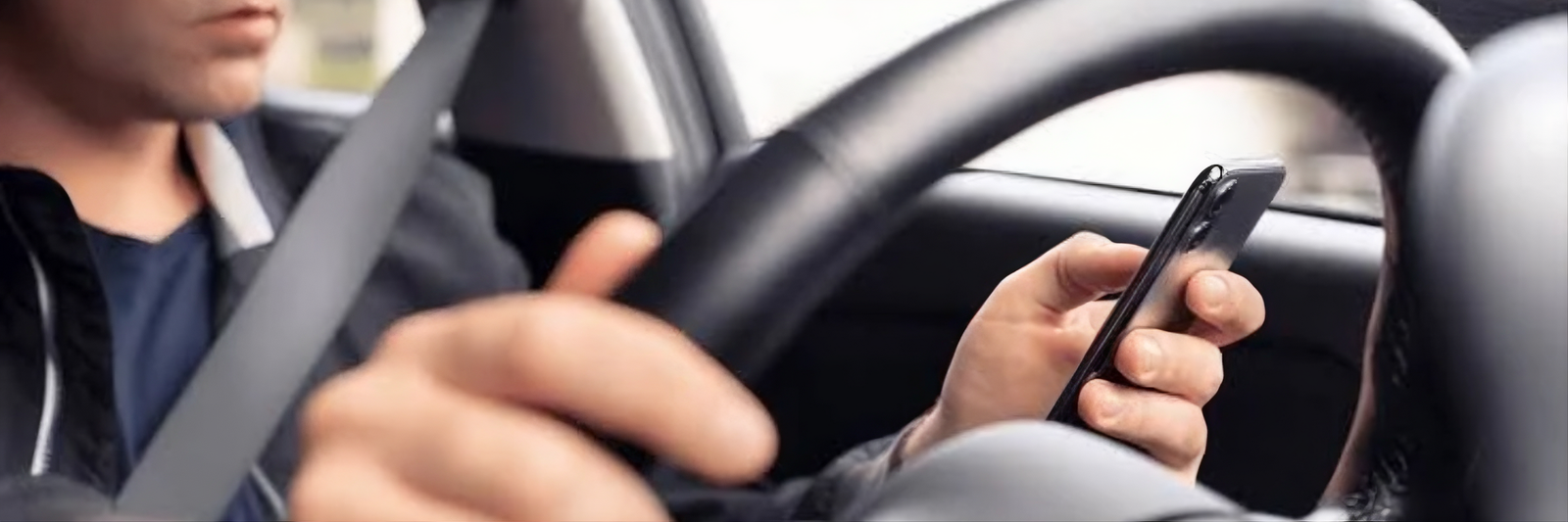
Distractions can cause another problem. A quick look at your phone can make you miss a stopped vehicle or pedestrian.
Set your navigation before you leave. Adjust the mirrors and climate controls while parked. Keep your attention on the road once you start moving.
Even small interior details matter. A phone mount should not block your view. Loose items should not interfere with pedals or controls.
A clean windshield and properly adjusted mirrors also make it easier to see what is happening around you.
Adult Driving Classes Build Defensive Driving Skills
Defensive driving is about giving yourself time and space to deal with mistakes. You cannot control another driver’s behavior, so you need to stay prepared.
Imagine a vehicle suddenly moving into your lane. If you have left enough space, you have more options. If you are already driving too close, your choices become limited.
That is why space matters so much.
Intersections are another place where defensive habits help. A green light does not mean you should stop watching the road.
Check for vehicles that may be turning, running a red light, or entering the intersection late.
Weather can change the way you drive, too. Rain can make roads slippery. Fog can cut visibility. Strong sunlight can make it harder to see signs and signals.
Slow down when conditions require it and leave more room to stop.
Your attitude matters as well. Heavy traffic can test anyone’s patience. But rushing, tailgating, or making sudden lane changes only adds risk.
Stay focused on getting where you need to go safely.
Adult Driving Classes can give drivers a chance to practice these situations and understand how small decisions affect the rest of the drive.
How Vehicle Features Support Better Awareness?
Modern cars offer plenty of safety technology. These features can make driving easier, but it helps to understand what they can and cannot do.
Common systems include:
- Blind-spot monitoring
- Backup cameras
- Parking sensors
- Lane-departure warnings
- Forward collision alerts
- Automatic emergency braking
- Rear cross-traffic alerts
- Adaptive cruise control
Consider parking sensors. They can warn you when an object is close, but you should still look around the vehicle.
The same applies to automatic braking. It may provide support in certain situations, but it is not a reason to stop paying attention.
The size of your vehicle also affects awareness. A Honda Civic feels different from a Toyota Highlander or Ford Explorer when parking or changing lanes.
Larger vehicles need more attention around corners and tight spaces.
Your seating position makes a difference too. Set the seat so you can reach the pedals comfortably. Adjust the steering wheel and mirrors before you move.
Keep windows and mirrors clean. Make sure your wipers work properly. These simple checks can improve visibility when conditions change.
Technology works best when it supports good driving habits rather than replacing them.
Turning Better Awareness Into a Daily Habit
A driving lesson can teach you what to do. Regular practice is what makes those actions feel natural.
Asian Driving School Plano can be useful for adults who want to work on specific skills such as parking, observation, lane changes, or defensive driving.
You do not need to practice everything at once. Pick one area and pay attention to it during your next few drives.
For example, focus on checking your mirrors more often. Once that becomes natural, work on scanning intersections earlier.
You can also practice keeping a better following distance. Notice how much more time you have when you leave extra space.
Asian Driving School Plano can help adults identify habits that need attention instead of simply repeating skills they already handle well.
A simple checklist can help you stay focused:
- Scan well ahead.
- Check your mirrors.
- Look over your shoulder before changing lanes.
- Keep enough space from other vehicles.
- Watch intersections carefully.
- Look for pedestrians and cyclists.
- Adjust your speed when conditions change.
- Put your phone away while driving.
Over time, these actions become part of your normal driving routine.
Asian Driving School Plano can also help adults build confidence through practice rather than guesswork. The more clearly you understand your weak areas, the easier it becomes to work on them.
You do not need to drive perfectly. You need to stay alert, leave yourself enough time to react, and make sensible choices.
Conclusion
Better awareness makes everyday driving easier to manage. It helps you notice traffic changes, spot hazards, judge space, and respond before a situation becomes urgent.
Adult Driving Classes can help develop these skills through guided practice. They give drivers a chance to work on areas such as blind spots, lane changes, parking, following distance, and defensive driving.
Modern safety features can help, but they should never replace attention. A camera, sensor, or warning system is only an extra tool.
The real improvement comes from better habits. Check your mirrors. Look ahead. Leave space. Watch intersections. Stay calm when traffic gets busy.
Asian Driving School Plano can support adults who want to strengthen these everyday skills and become more comfortable behind the wheel.
Good awareness is built one drive at a time. Once these habits become natural, you can spend less time worrying about each action and more time simply driving safely.
For more updates follow us on Facebook.