Driving School Plano TX Behind-the-Wheel Hours
Behind-the-wheel training is one of the most important parts of learning to drive safely. Students need more than classroom knowledge to become confident drivers. They need real experience behind the steering wheel, guidance from an instructor, and repeated practice in different traffic situations.
Driving School Plano TX behind-the-wheel hours help students develop practical driving skills, understand road conditions, and build confidence before taking their driving test. For teens, adult beginners, and nervous drivers, structured lessons can make everyday driving feel more manageable.
At Asian Driving School Plano, behind-the-wheel instruction focuses on practical skills, safe habits, and steady improvement. Students learn how to control their vehicles, observe traffic, respond to hazards, and make better decisions while driving around Plano and nearby communities.
This guide explains what behind-the-wheel hours involve, how students can make the most of their lessons, which skills deserve attention, and how parents can support a learner without creating unnecessary pressure.
What Are Behind-the-Wheel Driving Hours?
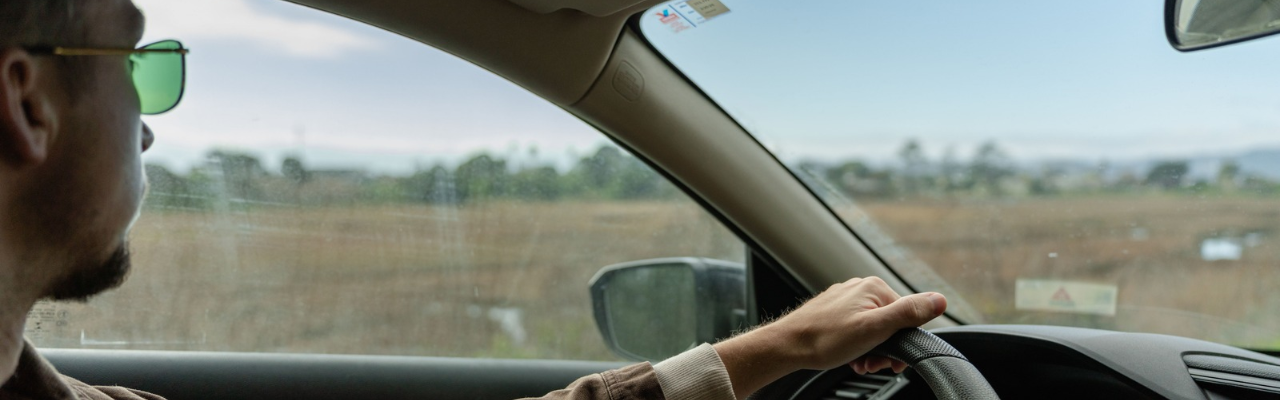
Behind-the-wheel hours are supervised driving sessions during which students practice operating a vehicle under the guidance of a qualified driving instructor. These lessons focus on applying driving knowledge in real situations rather than simply studying road signs or traffic concepts.
During a practical lesson, students may work on:
- Starting and stopping smoothly.
- Steering and maintaining lane position.
- Checking mirrors and blind spots.
- Making safe turns at intersections.
- Following traffic signals and signs.
- Maintaining a safe following distance.
- Changing lanes correctly.
- Parking and reversing.
- Recognizing potential hazards.
- Managing speed and vehicle control.
The purpose is to develop safe driving habits that become more natural through repetition.
A student might understand how a stop sign works but still struggle to stop completely while watching traffic, pedestrians, and other vehicles. Behind-the-wheel practice helps connect that knowledge with real driving behavior.
Why Does Driving School Plano TX Behind-the-Wheel Hours Matter?
Learning to drive involves several skills working together. Students must control the vehicle while observing the road, understanding traffic movement, and making decisions.
Driving School Plano TX behind-the-wheel hours provide an opportunity to practice these responsibilities with professional guidance.
1. Students Learn Practical Vehicle Control
Many beginners initially struggle with steering, braking, and maintaining a consistent speed.
A vehicle may feel unfamiliar during the first lesson. Students sometimes turn the steering wheel too sharply, brake suddenly, or accelerate more than necessary.
An instructor can identify these habits and demonstrate better techniques. With practice, students become more comfortable controlling the vehicle without constantly thinking about every movement.
2. Students Develop Better Road Awareness
Driving safely requires looking beyond the vehicle directly in front.
Students need to recognize:
- Vehicles approaching from side streets.
- Pedestrians near crossings.
- Cars changing lanes unexpectedly.
- Traffic slowing ahead.
- Vehicles entering from driveways.
- Road signs and changing traffic signals.
An instructor teaches students to scan their surroundings instead of focusing only on the road immediately ahead.
3. Students Practice Decision-Making
Driving involves many small decisions.
Should a student wait before turning left? Is there enough space to change lanes? Should they reduce speed before entering a curve?
Supervised practice helps students understand these situations and make safer decisions.
4. Students Build Confidence Gradually
Confidence should develop through skill, not pressure.
A beginner who struggles with basic turns should not immediately be pushed into complicated traffic situations. Good instruction introduces challenges gradually.
Students first develop control in manageable environments and then progress toward busier roads when their skills support it.
Driving School Plano TX Behind-the-Wheel Hours for Different Learners
Every student begins with a different level of experience.
Some teenagers have never operated a vehicle. Some adults already understand basic driving but feel nervous in traffic. Others have driven in another country and need help adapting to driving conditions in Texas.
A personalized lesson plan helps address these differences.
Teen Drivers
Teen learners often need support with:
- Vehicle control.
- Road signs and traffic signals.
- Intersection safety.
- Lane discipline.
- Parking.
- Defensive driving habits.
- Managing distractions.
Parents may also need guidance on how to supervise practice without overwhelming the student.
Adult Beginners
Adult learners may understand traffic concepts but feel uncomfortable operating a vehicle.
Their lessons often focus on:
- Building confidence.
- Understanding vehicle controls.
- Smooth braking and acceleration.
- Lane positioning.
- Turning techniques.
- Parking practice.
- Handling unfamiliar traffic situations.
New Immigrants and International Drivers
Drivers who have experience outside the United States may need to adjust to unfamiliar road layouts, traffic patterns, and local driving expectations.
Lessons can help them practice:
- Road sign recognition.
- Intersection management.
- Lane changes.
- Traffic signal responses.
- Safe following distances.
- Local driving environments.
Nervous Drivers
Some students become anxious when other vehicles are nearby.
They may hesitate at intersections, brake too early, or struggle to maintain a steady speed.
A patient instructor can help them build confidence through smaller, manageable exercises.
How Driving School Plano TX Behind-the-Wheel Hours Progress?
A well-organized lesson usually follows a progression. Students should understand what they are practicing and why each skill matters.
Step 1: Vehicle Familiarization
Before driving into traffic, students should become comfortable with the vehicle.
An instructor may explain:
- Seat adjustment.
- Mirror positioning.
- Steering wheel placement.
- Pedal operation.
- Turn signals.
- Headlights.
- Windshield wipers.
- Dashboard indicators.
- Parking brake operation.
Students should understand how to prepare the vehicle before moving.
Step 2: Basic Movement and Control
The next stage involves simple vehicle movements.
Students practice:
- Starting the vehicle correctly.
- Moving forward smoothly.
- Steering through gentle turns.
- Braking without sudden movements.
- Stopping at a designated position.
- Maintaining control at low speeds.
These exercises help students develop coordination.
Step 3: Neighborhood Driving
Once basic control improves, students can practice on suitable neighborhood roads.
This stage introduces:
- Residential intersections.
- Stop signs.
- Right and left turns.
- Parked vehicles.
- Pedestrians.
- Driveways.
- Narrow streets.
- Speed management.
Students begin learning how to observe their surroundings while controlling the vehicle.
Step 4: Busier Road Practice
Students who demonstrate readiness can gradually practice in busier traffic.
They learn how to:
- Maintain lane position.
- Identify appropriate gaps.
- Change lanes.
- Manage traffic flow.
- Approach intersections.
- Respond to changing conditions.
The instructor adjusts the difficulty according to the student’s performance.
Step 5: Advanced Driving Practice
More experienced learners may work on:
- Highway entry and merging.
- Higher-speed lane changes.
- Complex intersections.
- Defensive driving.
- Parking in different spaces.
- Route planning.
- Road test preparation.
Not every student reaches this stage at the same pace. Readiness matters more than rushing through a lesson plan.
How Many Behind-the-Wheel Hours Should a Student Practice?
The amount of supervised driving practice needed depends on the learner’s experience, confidence, and skill development.
A student who understands vehicle control may need less time on basic movements than someone learning everything for the first time. However, both students need sufficient practice to demonstrate safe and consistent behavior.
It is important to distinguish between professional instruction and additional supervised practice.
Practice Type | Main Purpose |
Professional lessons | Instructor feedback and skill development |
Parent-supervised practice | Reinforcing learned skills |
Independent driving | Only when legally authorized and appropriately supervised or permitted |
Road test preparation | Reviewing driving skills and identifying weaknesses |
Parents should confirm applicable Texas requirements through official sources rather than assuming a particular number of lessons is sufficient.
For current licensing requirements, consult the Texas Department of Public Safety and the Texas Department of Licensing and Regulation, as applicable.
Skills Students Should Master During Driving Lessons
Behind-the-wheel instruction should cover more than simply moving a vehicle from one location to another.
Steering and Lane Position
Students should learn to maintain a steady lane position without constantly drifting.
Common beginner mistakes include:
- Looking directly at the hood instead of farther ahead.
- Turning the steering wheel too sharply.
- Drifting toward parked vehicles.
- Correcting lane position too aggressively.
An instructor helps students develop smoother steering movements and better visual awareness.
Smooth Braking
Sudden braking can make driving uncomfortable and may create hazards.
Students should practice:
- Looking ahead for traffic changes.
- Releasing the accelerator early when appropriate.
- Applying the brakes smoothly.
- Maintaining adequate stopping distance.
- Avoiding unnecessary last-second braking.
Safe Turning
Turning requires planning.
Students need to understand when to reduce speed, where to position the vehicle, and how to observe pedestrians and other traffic.
A typical lesson may involve repeated right turns, left turns, and intersection approaches until the student becomes more consistent.
Mirror and Blind-Spot Checks
Mirrors provide useful information, but they do not show everything around the vehicle.
Students should practice:
- Checking mirrors regularly.
- Observing traffic behind them.
- Checking blind spots before moving laterally.
- Using signals before changing lanes.
- Maintaining awareness after completing a maneuver.
Following Distance
Beginners sometimes follow other vehicles too closely because they focus on keeping up with traffic.
An instructor teaches students to leave enough space to respond if the vehicle ahead slows or stops.
Following distance should also increase when road conditions, visibility, or traffic make stopping more difficult.
Driving School Plano TX Behind-the-Wheel Hours and Highway Merging
Highway merging is a common challenge for nervous beginners.
Students may feel uncomfortable because traffic moves faster and available gaps seem smaller.
Typical Scenario: A Nervous Beginner Struggles to Merge
This is an illustrative scenario, not a real customer experience.
A beginner approaches a highway entrance and becomes anxious about the speed of surrounding vehicles. Instead of building speed appropriately, the student hesitates on the entrance ramp.
The instructor helps the student understand the process:
- Observe traffic early.
- Identify a suitable gap.
- Use the entrance ramp to prepare.
- Adjust speed appropriately.
- Signal as required.
- Check mirrors and blind spots.
- Merge smoothly when safe.
- Continue monitoring surrounding traffic.
The student practices this sequence in suitable conditions before attempting more demanding traffic situations.
Common Highway Merging Mistakes
- Waiting until the last moment to look for a gap.
- Focusing only on the vehicle ahead.
- Failing to check blind spots.
- Entering traffic at an inappropriate speed.
- Making sudden steering movements.
- Becoming distracted by surrounding vehicles.
Professional coaching helps students understand that merging requires observation, planning, and controlled movement.
Driving School Plano TX Behind-the-Wheel Hours for Intersection Safety
Intersections require attention because several road users may move through the same area.
Students must understand how to approach intersections, observe signs, identify traffic movements, and respond appropriately.
Typical Scenario: A Student Rolls Through a Stop Sign
This is an illustrative scenario, not a real customer experience.
A student approaches a stop sign while preparing to turn right. They slow down but continue moving without making a complete stop.
During feedback, the instructor explains that stopping means bringing the vehicle to a complete halt at the appropriate location. The student must then observe traffic, pedestrians, and other road users before proceeding when safe.
How Students Can Improve?
- Begin reducing speed early.
- Observe the stop sign before reaching it.
- Stop completely at the appropriate position.
- Check both directions carefully.
- Look for pedestrians and cyclists.
- Proceed only when safe.
- Maintain control throughout the turn.
Repeated practice helps students develop more reliable intersection habits.
Lesson Comparison: Which Driving Practice Is Best?
Different lessons serve different purposes.
Lesson Type | Main Skills | Best For |
Beginner lesson | Steering, braking, basic control | First-time learners |
Neighborhood lesson | Turns, signs, intersections | Developing drivers |
Traffic lesson | Lane changes, observation | Intermediate learners |
Highway lesson | Merging, speed management | Ready learners |
Parking lesson | Reversing, positioning | Learners needing precision |
Road test preparation | Safe driving consistency | Test-ready students |
A student does not need to master every advanced maneuver in the first few lessons.
The instructor should identify the most important skills for the learner’s current stage and build from there.
How Parents Can Support Behind-the-Wheel Practice?
Parents can make a major difference in a teenager’s driving development.
However, supervising practice can become stressful when parents correct every movement or compare their child with other learners.
Helpful Parent Habits
- Remain calm during practice.
- Give one instruction at a time.
- Choose suitable practice environments.
- Avoid unnecessary distractions.
- Allow the student time to think.
- Reinforce improvements.
- Discuss mistakes after stopping safely.
- Follow applicable supervision requirements.
Parent Mistakes to Avoid
Some common mistakes include:
- Giving several directions at once.
- Raising voices during difficult maneuvers.
- Practicing in traffic before the student is ready.
- Focusing only on road test performance.
- Ignoring unsafe habits because the student seems confident.
- Allowing distractions during supervised practice.
Parents should remember that confidence and competence are not always the same thing.
A learner may feel comfortable driving while still needing improvement in observation, braking, or lane positioning.
How to Make Every Driving Lesson More Productive?
Students can improve their progress by preparing before each lesson.
Before the Lesson
- Get enough rest.
- Wear comfortable footwear suitable for operating pedals.
- Review previous instructor feedback.
- Identify one or two skills to improve.
- Ask questions about confusing situations.
- Avoid distractions.
During the Lesson
- Listen carefully to instructions.
- Observe the road continuously.
- Ask for clarification when appropriate.
- Practice calmly.
- Accept corrections.
- Focus on safe decisions rather than speed.
After the Lesson
Take a few minutes to review the session.
Write down:
- Skills practiced.
- Mistakes repeated.
- Improvements noticed.
- Instructor recommendations.
- Skills requiring additional practice.
This simple habit helps students connect one lesson with the next.
A Practical Driving Lesson Checklist
Students can use this checklist to evaluate their progress.
Before moving the vehicle
- Adjust seat and mirrors.
- Fasten seat belt.
- Understand vehicle controls.
- Check surroundings.
- Confirm the vehicle is ready to move.
During driving
- Maintain appropriate speed.
- Keep a safe following distance.
- Check mirrors regularly.
- Observe blind spots before moving laterally.
- Use signals appropriately.
- Stop completely where required.
- Watch for pedestrians and cyclists.
- Maintain lane position.
After driving
- Park safely.
- Secure the vehicle.
- Review instructor feedback.
- Identify the next practice goal.
Common Mistakes That Slow Student Progress
Students often repeat the same mistakes because they focus on completing a maneuver rather than understanding what caused the problem.
Looking Too Close to the Vehicle
Looking only a short distance ahead can make steering less smooth.
Students should learn to look farther down the road while still scanning nearby hazards.
Forgetting Mirror Checks
Some learners focus so heavily on the road ahead that they forget to observe traffic behind them.
Regular mirror checks help maintain a complete picture of the driving environment.
Turning Too Quickly
Beginners may enter turns at excessive speeds because they underestimate how much slowing is needed.
The solution is to approach turns with better planning and controlled speed.
Overcorrecting the Steering Wheel
When students drift slightly, they sometimes make large steering corrections.
This can create additional lane-position problems.
Small, controlled adjustments are usually easier to manage.
Becoming Distracted by Mistakes
A student who makes one mistake may continue thinking about it instead of focusing on the next driving task.
An instructor helps learners recognize errors, correct them, and return their attention to the road.
Preparing for a Road Test Through Practical Lessons
Road test preparation should focus on safe driving behavior rather than memorizing a sequence of movements.
Students should practice consistently and understand why each maneuver matters.
Important Skills to Review
- Starting and stopping safely.
- Maintaining lane position.
- Following traffic signs and signals.
- Making controlled turns.
- Observing intersections.
- Checking mirrors and blind spots.
- Maintaining appropriate speed.
- Parking and reversing.
- Responding calmly to instructions.
Typical Scenario: A Student Performs Well but Misses Observations
This is an illustrative scenario, not a real customer experience.
A learner demonstrates good steering and braking but forgets to check a blind spot before changing lanes.
The instructor identifies the observation habit as the main improvement area.
Instead of repeating the entire lesson, the student practices lane changes with specific attention to mirrors, signals, blind spots, and surrounding traffic.
This focused approach helps correct the underlying issue.
Remember that professional lessons can improve readiness, but no driving school can guarantee a road test result.
Choosing Driving School Plano TX Behind-the-Wheel Hours Wisely
Students and parents should consider the quality of instruction rather than selecting lessons based only on the number of hours offered.
When evaluating a driving school, consider:
- Instructor experience and communication.
- Whether lessons match the student’s skill level.
- How feedback is provided.
- Whether practice progresses gradually.
- Opportunities to work on specific weaknesses.
- Scheduling convenience.
- Clarity about lesson packages and costs.
- The school’s approach to road test preparation.
A good lesson should leave students understanding what they practiced and what they need to improve.
Why Personalized Instruction Matters?
Every learner has different strengths and challenges.
One student may need more practice with parking. Another may struggle with highway merging. A third may understand traffic rules but become nervous at intersections.
Asian Driving School Plano can help learners explore suitable driving lesson options based on their experience and training needs.
Students and parents can ask about lesson availability, behind-the-wheel training, and road test preparation before choosing a program.
Driving School Plano TX Behind-the-Wheel Hours in Plano
Plano offers learners opportunities to practice different driving situations as their skills develop.
Depending on the student’s readiness and lesson plan, instruction may include:
- Residential streets.
- Neighborhood intersections.
- Commercial traffic areas.
- Multi-lane roads.
- Busy intersections.
- Parking environments.
- Suitable highway routes.
Practice locations should always be selected according to student ability, traffic conditions, and safety.
Why Local Practice Helps?
Students benefit from becoming familiar with the types of roads they may encounter during everyday driving.
Local practice can help them understand:
- Traffic flow around shopping areas.
- Lane changes on wider roads.
- Turning movements at intersections.
- Pedestrian activity.
- Traffic signals.
- Parking lot navigation.
For students in Plano and Collin County, learning to manage these situations can support more confident everyday driving.
The goal is not simply to memorize local routes. It is to develop skills that work across unfamiliar roads and changing conditions.
How to Know When a Student Is Improving?
Progress should be measured by behavior, consistency, and decision-making.
A student may be improving when they:
- Maintain lane position more consistently.
- Brake smoothly.
- Check mirrors without repeated reminders.
- Recognize hazards earlier.
- Follow signs and signals correctly.
- Make turns with better control.
- Manage intersections more confidently.
- Respond calmly to instructor feedback.
- Explain why a driving decision is safe.
Students do not need to become perfect immediately.
The important thing is that unsafe habits are identified, corrected, and replaced with better driving practices.
FAQs
1. What are behind-the-wheel hours in a driving school?
Behind-the-wheel hours are supervised practical driving sessions with an instructor. Students practice vehicle control, steering, braking, turning, parking, lane changes, and traffic awareness. These sessions help learners apply driving knowledge in real situations and develop safer habits through structured practice.
2. Are behind-the-wheel lessons helpful for nervous beginners?
Yes, behind-the-wheel lessons can help nervous beginners develop confidence gradually. An instructor can introduce manageable driving situations, explain unfamiliar maneuvers, and provide calm feedback. Students can begin with basic vehicle control and progress toward more challenging traffic situations as their skills improve.
3. Should parents practice driving with teenagers outside professional lessons?
Parents may provide additional supervised practice when permitted under applicable requirements. This practice can reinforce skills learned during professional lessons. Parents should remain calm, choose appropriate environments, follow supervision rules, and focus on safe driving habits rather than pressuring teenagers to perform perfectly.
4. Do behind-the-wheel hours guarantee a passing road test?
No, behind-the-wheel lessons cannot guarantee a passing road test. They help students improve practical skills, identify weaknesses, and prepare more effectively. Road test performance depends on the student’s ability to demonstrate safe and appropriate driving behavior during the actual examination.
5. How can students make driving lessons more effective?
Students can make lessons more effective by reviewing previous feedback, arriving prepared, asking questions, and focusing on specific improvement goals. After each lesson, they should review their mistakes and practice recommendations. Consistent, thoughtful practice helps build stronger driving habits over time.
Conclusion
Driving safely requires practical experience, patience, and consistent instruction. Behind-the-wheel training gives students the opportunity to develop vehicle control, improve road awareness, and learn how to respond to everyday traffic situations.
Driving School Plano TX behind-the-wheel hours are valuable for teenagers, adult beginners, nervous learners, and drivers who need additional practice before their road test. The most effective lessons focus on individual needs, gradual skill development, and safe decision-making.
At Asian Driving School Plano, students can explore driving lessons designed to support practical learning and greater confidence on the road. Whether you are beginning your driving journey or preparing for a road test, professional instruction can help you identify your strengths and improve the skills that need attention.
If you are looking for driving lessons in Plano, consider contacting Asian Driving School Plano to ask about available programs, behind-the-wheel training, and road test preparation. A thoughtful learning plan can help you move toward becoming a more confident and responsible driver.
For more updates follow us on Facebook.